

Better No Bet: Smart Strategies for Safer Betting
In the fast-paced world of sports betting, many enthusiasts seek ways to minimize losses while maximizing potential returns. The concept of ‘better no bet’ embodies a cautious yet strategic mindset—sometimes the smartest move is to avoid risky wagers altogether or opt for safer alternatives. This principle aligns closely with popular options like Draw No Bet […]
This guide provides a comprehensive approach to resolving common login challenges faced by users.
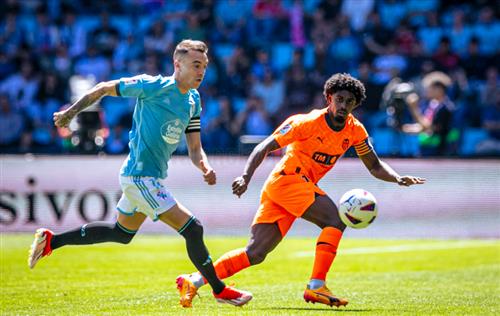
In the fast-paced world of sports betting, many enthusiasts seek ways to minimize losses while maximizing potential returns. The concept of ‘better no bet’ embodies a cautious yet strategic mindset—sometimes the smartest move is to avoid risky wagers altogether or opt for safer alternatives. This principle aligns closely with popular options like Draw No Bet (DNB), which offers a safety net in matches prone to draws. Whether you’re a homeowner looking to add excitement to game nights responsibly or a casual bettor aiming for sustainability, understanding better no bet tactics can transform your approach.
What Does Better No Bet Mean in Practice?
The phrase ‘better no bet’ encourages bettors to prioritize discipline over impulse. It suggests that when odds don’t favor you or uncertainty is high, walking away preserves your bankroll for better opportunities. In sports like soccer, where draws are common, this mindset translates into using markets that refund your stake on a tie.
Draw No Bet is a prime example of putting ‘better no bet’ into action. You select a team to win, but if the match ends in a draw, your stake is returned as if no bet was placed. This reduces the three possible outcomes (home win, draw, away win) to two, lowering overall risk compared to traditional 1X2 betting.
Why Choose Draw No Bet Over Traditional Markets?
Traditional betting markets expose you to full loss on any outcome, including draws in evenly matched games. Better no bet strategies, particularly Draw No Bet, provide protection without eliminating upside potential.
Key Benefits of Adopting a Better No Bet Mindset
- Risk Reduction: Your stake is safe in case of a draw, ideal for high-draw leagues like the English Premier League or Serie A.
- Better Value in Close Matches: When teams are balanced, DNB odds are more favorable than risking a full loss.
- Bankroll Management: Encourages selective betting, aligning with long-term sustainability for homeowners or hobbyists balancing entertainment with finances.
- Psychological Edge: Reduces regret from ‘what if’ draw scenarios, promoting calmer decision-making.
Expert bettors recommend Draw No Bet when backing favorites in unpredictable fixtures or underdogs with strong defensive records. For instance, in a matchup between two mid-table teams known for low-scoring games, opting for better no bet via DNB on the home side can yield steady returns over time.
Practical Tips for Implementing Better No Bet Strategies
To make ‘better no bet’ work effectively, integrate these actionable steps into your routine:
- Analyze team form, head-to-head records, and draw statistics before placing any wager. Tools like recent performance data help identify when to skip a bet entirely.
- Set strict bankroll rules—never risk more than 1-2% per bet, and always have a ‘no bet’ threshold based on confidence levels below 60%.
- Compare odds across markets. Calculate implied probabilities to ensure Draw No Bet offers genuine value over standard win bets.
- Combine with other safeguards like cash-out options or partial stakes for layered protection.
- Focus on specific leagues or sports where draws occur frequently, such as soccer, rather than high-variance options like basketball.
Seasoned strategists emphasize research as the foundation. Reviewing injury reports, weather conditions for outdoor sports, and motivational factors (e.g., end-of-season games) can reveal when it’s truly ‘better no bet’ to sit out.
Draw No Bet vs. Other Betting Options: A Comparison
| Betting Option | Risk Level | Outcome on Draw | Typical Use Case | Potential Return |
|---|---|---|---|---|
| Traditional 1X2 (Match Winner) | High | Full Loss | Strong favorites in decisive matches | Higher odds but full exposure |
| Draw No Bet (DNB) | Medium | Stake Refunded | Evenly matched teams or cautious backing | Lower odds than win bet but safer |
| Double Chance | Low | Win if Draw or Selected Team | High uncertainty games | Even lower odds, broader coverage |
| Moneyline (No Draw Option) | Variable | N/A (No draw possible in some sports) | Non-soccer sports like tennis | Depends on sport |
This table highlights how Draw No Bet strikes a balance—offering more security than straight win bets while maintaining better payouts than overly conservative options. For homeowners enjoying weekend matches, this comparison aids in choosing bets that fit a responsible entertainment budget.
Considerations and Expert Insights for Responsible Betting
While better no bet strategies enhance safety, they come with trade-offs. Lower odds mean smaller potential wins, requiring higher volume or patience for meaningful profits. Always factor in bookmaker margins, which can erode value if not monitored.
Considerations include emotional control—’better no bet’ also means avoiding chase bets after losses. Experts advise treating betting as a hobby, not income, especially for those managing household finances. Set time and spending limits, and seek resources on responsible gambling if needed.
From an authoritative perspective, successful bettors combine data analytics with discipline. They view ‘better no bet’ not as avoidance but as strategic selectivity, leading to improved long-term results and reduced stress.
Summary: Embracing better no bet principles, including Draw No Bet markets, empowers bettors with smarter risk management, value-focused decisions, and sustainable enjoyment. By researching thoroughly, comparing options, and prioritizing bankroll protection, you can navigate sports betting more confidently while minimizing unnecessary losses—ultimately making the experience rewarding rather than regretful.